Are Takeout Containers Microwave Safe? A Guide to PP, MFPP, and Safe Reheating
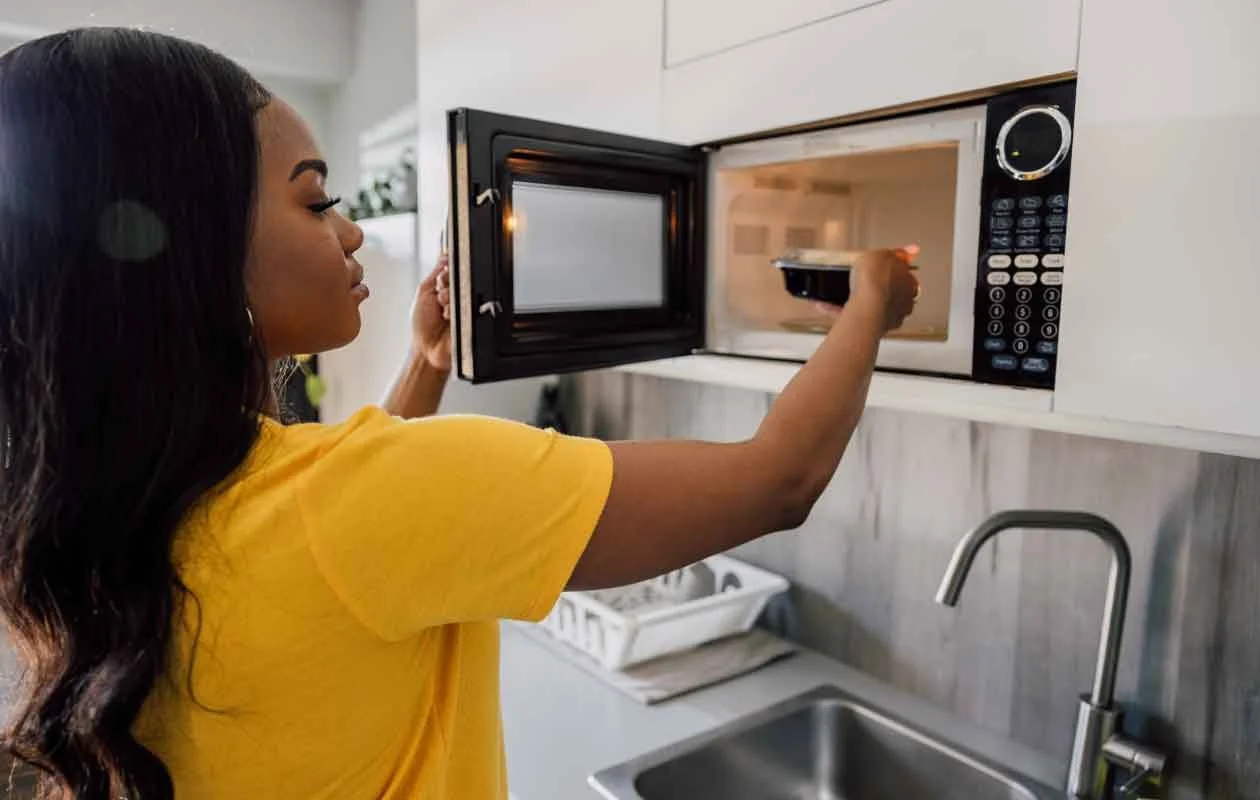
When a customer takes home leftovers from your restaurant, the first thing most of them will do is put the container straight in the microwave. If it warps, melts, or the food ends up tasting off, that reflects on your business not just the container.
The phrase 'microwave-safe' gets used a lot, but what it actually means is narrower than most people assume. Here's what foodservice operators need to know about container materials, recycling symbols, and what's actually safe to reheat in.
What Does 'Microwave-Safe' Actually Mean?
A microwave-safe label means a container can withstand heat without warping or deforming, specifically, it needs to tolerate at least 250°F. That's the full extent of what the label certifies. There is no federal regulation governing what qualifies as microwave-safe, and the designation has no bearing on whether a container will leach chemicals under heat. That's a separate question, determined by the material itself.
The most commonly recognized symbol is three wavy lines, sometimes with a small microwave icon. Some manufacturers simply print 'microwave safe' on the bottom. The symbol is manufacturer-assigned, not independently certified.
Plastic Recycling Numbers and Microwave Safety
The recycling number stamped on the bottom of a container tells you what type of plastic it's made from and that number is the most reliable indicator of whether it's safe to reheat food in.
| Number | Materials | Microwave safe? |
| #1 | PET (Polyethylene Terephthalate) | Single-use only — not recommended for reheating |
| #2 | HDPE (High-Density Polyethylene) | Generally safe for limited use |
| #3 | PVC | Avoid — can release harmful chemicals under heat |
| #5 | PP (Polypropylene) | Yes — the standard for microwave-safe containers |
| #6 | PS (Polystyrene / Styrofoam) | No — can leach styrene when heated; also banned in 14+ states |
| #7 | Other / Mixed | Varies — check manufacturer guidance |
For foodservice operators, #5 PP is the practical standard. It's heat-resistant up to 250°F, BPA-free, and broadly recognized as safe for reheating food.
Why MFPP Handles Heat Even Better Than Standard PP
Ecopax containers are made from Mineral-Filled Polypropylene (MFPP), a #5 polypropylene base with up to 40% earth minerals added. The mineral content does two things: it reduces the total plastic in the container, and it raises heat resistance above standard PP.
That means ecopax MFPP containers aren't just microwave-safe, they're better suited to hot food applications than standard plastic containers. They're also completely BPA-free and PFAS-free. All ecopax MFPP containers are rated microwave-safe for reheating under 2 minutes.
Microwave Best Practices
Even with a microwave-safe container, a few practices protect food quality and container integrity and are worth passing on to your customers or including in packaging inserts:
• Reheat for under 2 minutes at a time
• Vent or remove the lid to allow steam to escape
• Use for reheating only — not for cooking raw food from scratch
• Avoid extended high-power settings
What About Foam Containers?
Foam (#6 PS) should never go in the microwave. It can soften and deform under heat, and polystyrene may release styrene, a chemical associated with health risks, when heated. Beyond the safety concern, foam packaging is now banned in over a dozen US states for food service use.
See which states have banned foam and what operators are switching to.
Product Recommendations by Use
Rather than a full product listing, here are the right container categories for the most common reheating applications:
• MFPP hinged containers — microwave-safe, secure hinge closure, available in multiple sizes. Browse Hinged Containers. Hot entrees and sandwiches.
• MFPP bowls with lids — designed for hot liquids and heavier dishes. Browse Bowls & Lids. Bowls and saucy dishes.
• Pebble 2-piece containers with clear vented PP lids — great food visibility, microwave-safe tray and lid. Browse 2-Piece Containers. Combo meals and sides.
Frequently Asked Questions
Is Styrofoam microwave safe?
No. Styrofoam (#6 polystyrene) should not be microwaved. It can soften under heat and may release styrene, a chemical associated with health risks. It is also banned in over a dozen US states for food service use.
Is polypropylene (#5) microwave safe?
Yes. #5 polypropylene is one of the safest plastics for microwave use. It's heat-resistant up to 250°F, BPA-free, and widely used for microwave-safe takeout containers. ecopax's MFPP containers are built on a #5 PP base with added earth minerals for enhanced heat resistance.
What's the difference between microwave-safe and BPA-free?
They refer to different things. Microwave-safe means the container won't warp or deform under heat. BPA-free means the container doesn't contain Bisphenol A, a chemical used in some plastics that has raised health concerns. Ecopax MFPP containers are both microwave-safe and BPA-free.
Can takeout containers be used to cook food in the microwave, not just reheat?
No — takeout containers are designed for reheating only, not cooking from raw or from frozen. Keep use to under 2 minutes at a time and always vent or remove the lid to allow steam to escape.
Are ecopax containers PFAS-free?
Yes. Ecopax containers are both PFAS-free and BPA-free. PFAS (per- and polyfluoroalkyl substances) are a class of chemicals sometimes used in food packaging coatings that have drawn increasing regulatory scrutiny. Ecopax does not use them.