Vented Takeout Containers: The Key to Crispy Food Delivery (And When Not to Use Them)
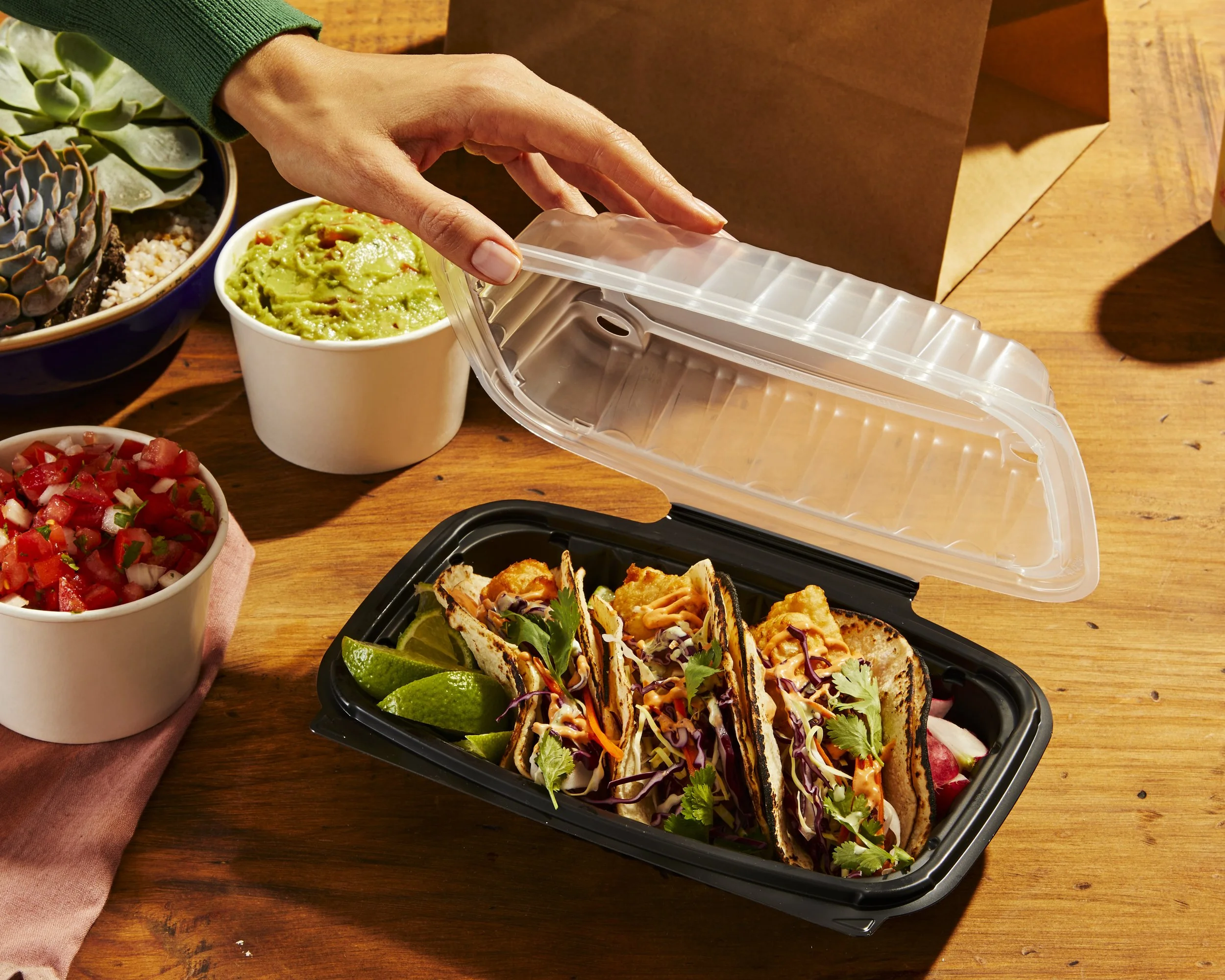
A customer orders fried chicken from your restaurant. Your kitchen sends it out perfectly crispy. Forty-five minutes later, it arrives at their door soggy, steamed through, and nothing like what left your kitchen.
That's not a cooking problem. The food was right when it left. The problem is what happened inside the container during transit and the fix is a vented container.
Why Food Gets Soggy in Transit
Traditional takeout containers trap steam inside. As hot food releases moisture, that steam has nowhere to go, it condenses on the inside of the lid and drips back onto the food. Fried coatings absorb that moisture almost immediately. Within 10 to 15 minutes in a sealed container, crispy food becomes soft and disappointing.
Vented containers solve this at the source. Small openings at the corners of the lid allow steam to escape continuously during transit. The food stays hot; the vents are too small to significantly reduce temperature but the humidity that destroys texture escapes rather than collecting inside.
Foods That Need a Vented Container
Any food where the texture of the exterior is part of the experience benefits from ventilation:
• Fried foods: french fries, fried chicken, tenders, fish and chips, shrimp, egg rolls, spring rolls, tempura, fried dumplings, anything with a fried coating or crust.
• Baked and roasted items: roasted potatoes, pizza, quesadillas, grilled sandwiches, paninis, flatbreads, and anything with a browned or crisped exterior.
• Breaded items: chicken parmesan, schnitzel, breaded fish, the breading softens significantly inside a sealed, steamy container.
As a general rule: if the food's texture would be degraded by humidity, use a vented container.
When a Sealed Container Is the Better Call
Vented containers are the wrong choice for anything that needs to retain liquid or where moisture loss hurts the dish:
• Steam venting means heat loss and potential spillage. A sealed lid is essential.
• Soups and stews: Curries, stews, pasta in heavy sauce, braised meats; these need to stay moist.
• Cold foods: salads, grain bowls, cold deli items. Venting provides no benefit here and can accelerate wilting in leafy greens.
• Plain rice and noodles: these can dry out in a vented container during longer delivery windows.
For these applications, ecopax offers sealed lid options across the hinged container and 2-piece container lines.
The Delivery Window Problem
Third-party delivery has extended the average time between kitchen and customer. Where dine-in food travels a few feet from kitchen to table, a delivery order might sit in a bag for 30 to 60 minutes before the customer opens it. That extended window makes container choice more consequential, not less.
Ghost kitchens and delivery-first concepts have the most to gain here. When there's no dine-in experience to fall back on, the container is part of the product. A restaurant that packages fried food in a vented container is protecting its ratings during a time window it can't control.
Ecopax Vented Container Options
Ecopax offers vented configurations across the main container lines:
• 2-Piece Containers: vented PP lids paired with MFPP trays. Available in 1- and 3-compartment configurations. Microwave-safe. Designed for fried foods, baked goods, and any hot entree that needs to arrive crispy.
• EcoView Hinged Containers: clear-top hinged containers with optional vents. The clear lid maintains food presentation while allowing steam to escape. Microwave-safe and PFAS-free.
• EcoView 360° Clear Hinged Containers: full clear construction for maximum food visibility. Available in vented configurations for fried and baked applications.
Browse all ecopax vented container options.
Frequently Asked Questions
What are vented takeout containers?
Vented takeout containers have small openings typically at the corners of the lid that allow steam to escape during transit. This prevents moisture from condensing inside the container and soaking into food, keeping fried and baked items crispy rather than soggy.
Do vented containers keep food warm?
Yes. The vents are small enough that heat loss during a normal delivery window is minimal. What escapes is steam not significant heat. Food temperature is maintained while the humidity that degrades food texture is released.
What's the difference between vented and non-vented containers?
Vented containers allow steam to escape; non-vented containers trap it inside. Vented containers are better for fried, baked, and crispy foods where texture matters. Non-vented containers are better for soups, saucy dishes, and anything that needs to retain moisture.
Are vented containers microwave safe?
Yes, ecopax vented containers are microwave-safe for reheating. The vents are actually an added benefit when reheating, as they allow steam to escape naturally without the customer needing to partially open the lid.
Can I use vented containers for cold food delivery?
You can, but it's generally unnecessary. The main benefit of venting — steam release — is only relevant for hot food. For cold food applications, sealed containers are usually the better choice to maintain freshness and prevent drying.