What the Foam Ban Means for Your Restaurant (And What to Do About It)
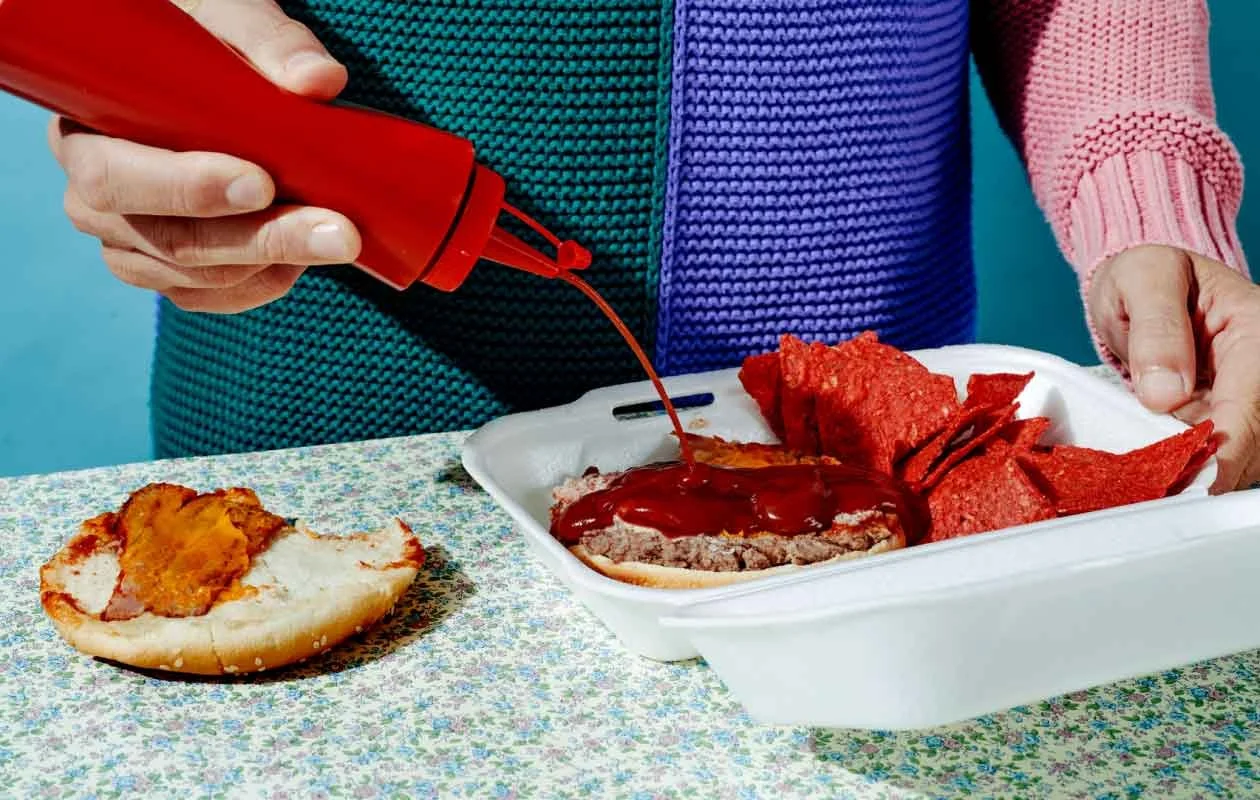
If you run a restaurant, food truck, or catering operation in the US, there's a good chance the foam containers in your supply chain are already banned or will be soon. Over the past decade, more than a dozen states have passed statewide bans on expanded polystyrene (EPS) foam, and the list keeps growing. Counties and cities in otherwise exempt states have added their own restrictions on top.
The good news: compliant, cost-effective alternatives are widely available. The challenge is knowing exactly what you're required to do and when. This guide covers which states have banned foam packaging, what products are affected, and what operators are switching to.
Which States Have Banned Foam Food Packaging?
The following states have passed statewide bans on the sale and distribution of foam food service packaging:
• California
• Colorado
• Delaware
• Maine
• Maryland
• New Jersey
• New York
• Oregon
• Rhode Island
• Vermont
• Virginia
• Washington
• Washington, D.C.
• Almost all of Hawaii
Several additional states have county-level or city-level bans in place, including Alaska, Connecticut, Minnesota, New Hampshire, Pennsylvania, and South Carolina. If you operate in any of these states, it's worth checking local ordinances even if there's no statewide ban.
What Products Are Covered?
Most foam bans target food service packaging specifically: containers, cups, bowls, trays, and clamshells that restaurants use for takeout and delivery. This typically includes:
• Foam takeout containers and clamshells
• Foam cups — hot and cold
• Foam trays, including cafeteria-style
• Foam plates and bowls
• Any foam food container used in food service
Foam used in non-food applications like shipping or insulation is generally not covered by food service bans, though separate regulations may apply.
What Happens if You Don't Comply?
Fines vary by state and municipality, but non-compliance is taken seriously. California, New York, and New Jersey have enforcement mechanisms in place, and inspections of food service operators are increasingly routine in heavily regulated markets. The risk of operating with banned materials far outweighs any short-term cost savings from staying with foam.
What Are Operators Switching To?
The most common foam alternatives in food service fall into three categories:
Mineral-Filled Polypropylene (MFPP)
A durable, microwave-safe plastic that replaces foam for hot and cold food containers. MFPP uses up to 40% earth minerals, reducing the plastic content compared to standard polypropylene. It performs comparably to foam on heat retention and structural integrity, is BPA-free, PFAS-free, and compliant in all foam-ban states. Ecopax manufactures its core hinged container and 2-piece container lines in MFPP.
Standard Polypropylene (PP)
A widely used #5 plastic that's microwave-safe and BPA-free. A practical choice for general-purpose takeout where cost is a primary consideration, and a direct foam replacement for operators who don't need the added performance of MFPP.
Paper
SFI-certified paperboard is a strong option for cups, bowls, and soup containers. Paper products are foam-ban compliant in every state and are increasingly preferred by operators who need to meet sustainability requirements from their own customers or procurement partners.
Making the Switch
Switching away from foam doesn't have to mean a drop in food quality or a spike in packaging costs. The key is matching the right material to the right application: hot food that needs to hold heat, fried food that needs to stay crispy, and cold food that needs to stay fresh all call for different solutions.
Browse ecopax's foam alternative lineup.
Frequently Asked Questions
Is polypropylene a good alternative to Styrofoam?
Yes. Polypropylene (#5 plastic) is one of the most widely used foam alternatives in food service. It's microwave-safe, BPA-free, and structurally comparable to foam for most takeout and delivery applications. Mineral-Filled Polypropylene (MFPP) adds up to 40% earth minerals, reducing plastic content further.
What can restaurants use instead of Styrofoam cups?
Paper cups are the most common replacement for foam hot cups, offering comparable insulation with a more sustainable profile. SFI-certified paper cups meet responsible sourcing standards and are available in single and double-wall options for different heat-retention needs.
Is MFPP compliant in foam ban states?
Yes. MFPP is not expanded polystyrene (EPS) and is not covered by foam ban legislation. It is compliant in all states that have passed statewide foam bans.
Do foam bans apply to distributors as well as restaurants?
Most foam bans cover the entire supply chain: manufacturers, distributors, and food service operators are all prohibited from selling or distributing banned products in regulated states. Working with a supplier who is already compliant is the simplest way to ensure your business is covered.
Are there foam bans coming in more states?
Yes. Foam ban legislation has been advancing steadily for the past several years, and additional states are working through the legislative process. Operators in states that do not yet have a statewide ban, particularly in the South and Midwest, would be well-served by getting ahead of the transition now.